Your Students Are Telling You Something: How to Read the Signs of Student Stress
13th October 2026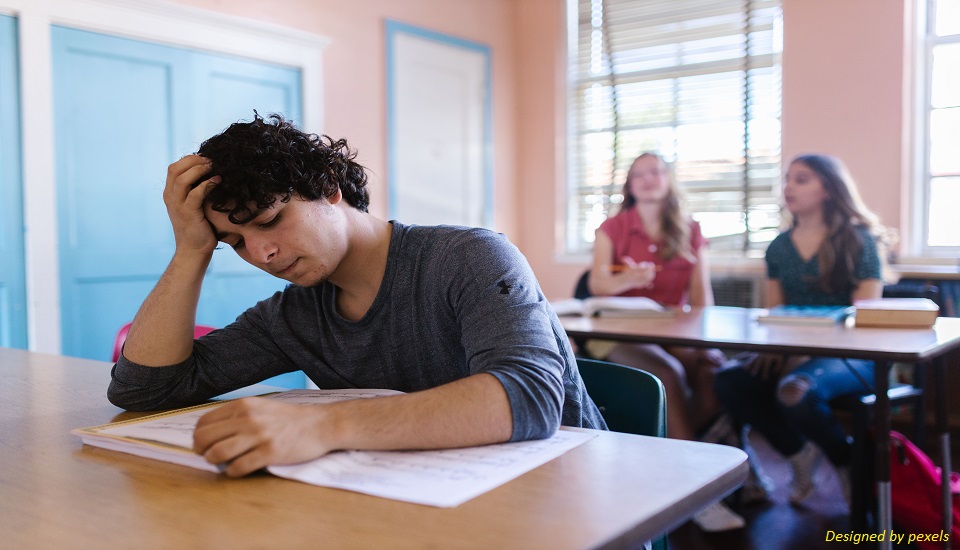
A student who was consistently engaged suddenly stops contributing in class. Another who was always punctual begins arriving late, looking tired, and disconnected. A third who was socially confident is now eating lunch alone.
Nothing dramatic has happened. No crisis has been declared. But something has shifted.
The question is whether anyone in the school is trained to notice.
Student stress is rarely announced. It is communicated through behaviour, through withdrawal, through physical symptoms, and through the kinds of small but consistent changes that busy teachers can easily miss without knowing what to look for. For educators who have completed education counselling courses, recognising these signs is a trained skill. For those who have not, it is often a matter of chance.
This blog is about closing that gap.
Why Student Stress Is Harder to Spot Than Most Teachers Realise
Stress in young people does not always look the way adults expect it to.
Adults tend to associate stress with visible distress. Tears, outbursts, or a direct disclosure that something is wrong. But for most students, particularly adolescents, stress is expressed indirectly.
It shows up as:
- Irritability that seems disproportionate to the situation
- Avoidance of subjects, teachers, or school activities they previously engaged with
- Perfectionism that tips into paralysis, particularly around assessments
- Sudden changes in friendship groups or social withdrawal
- Physical complaints with no clear medical cause
The challenge for educators is that many of these signs are also associated with normal development, particularly during adolescence. A teenager becoming quieter or more private is not automatically a red flag. The signal lies not in one behaviour in isolation, but in a pattern of change over time.
That distinction, between typical development and stress that requires intervention, is one of the most important things a well-trained educator learns to make.
The Behavioural Signs of Student Stress in the Classroom
Classroom behaviour is often the first place stress becomes visible, even when students themselves do not consciously connect their behaviour to how they are feeling.
Declining Academic Engagement
A student who previously completed work to a consistent standard begins handing in incomplete tasks, asking for extensions repeatedly, or producing work that is noticeably below their usual level. This is one of the most commonly observed early indicators of stress, and one of the most frequently misattributed to laziness or lack of effort.
Difficulty Concentrating
Chronic stress activates the body’s threat response, which prioritises short-term survival over complex thinking. A student who appears distracted, forgetful, or unable to retain information they have been taught recently may be experiencing the cognitive effects of sustained stress rather than an attention disorder.
Increased Conflict or Emotional Reactivity
Stress lowers the threshold for emotional reaction. Students under significant pressure may respond to minor frustrations with disproportionate anger, become tearful in situations that would not previously have affected them, or appear persistently irritable across interactions with both peers and staff.
Avoidance Behaviour
Regularly arriving late to specific lessons, finding reasons to leave the room, or requesting to visit the school nurse are all forms of avoidance that can signal underlying anxiety or stress rather than deliberate non-compliance.
Physical Signs of Stress That Students May Not Connect to Their Mental State
Young people are often unaware that their physical symptoms have a psychological origin. A student who regularly complains of headaches, stomach aches, or fatigue may have seen a doctor, been told there is nothing physically wrong, and still not made the connection to stress.
Physical signs worth paying attention to include:
- Frequent headaches, particularly before assessments or specific lessons
- Stomach complaints or nausea that seem to follow a pattern linked to school days
- Complaints of persistent fatigue despite apparently adequate sleep
- Changes in appetite, either significantly reduced or increased
- Visible tension in posture, jaw clenching, or muscle tightness
- Skin conditions such as eczema or psoriasis flaring during high-pressure periods
These physical manifestations are well-documented in research on stress physiology. The body’s stress response system does not distinguish between physical and psychological threat. When a student is chronically stressed, their body responds accordingly.
Noticing and gently acknowledging these physical signs, rather than simply referring the student back to a doctor, can open a conversation that leads somewhere useful.
Social and Emotional Signs of Stress Teachers Often Overlook
Some of the most important signals of student stress are relational rather than academic or physical. They are also the signs most easily dismissed as ordinary social dynamics.
Withdrawal From Peer Relationships
A student who pulls away from their usual friendship group, spends breaks alone, or stops engaging in social activities they previously enjoyed may be struggling with anxiety, low mood, or social stress that they do not have the language to articulate.
Seeking Excessive Reassurance
On the opposite end, some stressed students become more dependent rather than more withdrawn. They ask repeatedly whether their work is good enough, seek confirmation from teachers before attempting any task independently, or appear anxious in situations where they were previously confident.
Changes in How a Student Talks About The Future
Students under significant stress sometimes express hopelessness or catastrophic thinking about upcoming assessments, transitions, or life events. Statements like “it doesn’t matter anyway” or “I’m going to fail regardless” from a student who was previously motivated deserve careful attention rather than reassurance at face value.
Loss of Humour or Playfulness
This one is easy to miss. A student who was characteristically warm, funny, or engaged with classroom banter becoming flat, serious, or emotionally absent is communicating something, even if they cannot name it themselves.
The Difference Between Normal Pressure and Stress That Needs Intervention
Not every student who is tired before exams or anxious about a presentation needs a referral to a counsellor. Healthy stress responses are a normal and even useful part of learning.
The concern arises when:
- Symptoms are persistent across several weeks rather than situational
- Multiple domains are affected simultaneously, academic, social, physical, and emotional
- The student’s baseline functioning is noticeably different from how they were previously
- The student themselves expresses that something feels wrong, even if they cannot explain what
- The stress response is disproportionate to the apparent trigger
Teachers are not expected to diagnose stress or provide therapeutic intervention. But they are often the adults who spend the most time with students and are best placed to notice when something has shifted. That noticing, and knowing what to do with it, is the critical professional skill.
What Educators Can Do When They Recognise the Signs
Recognising stress is only valuable if it leads to an appropriate response. Here is what that response typically looks like in a school context.
1. Start with a Low-Pressure Conversation
A simple, private check-in is often the most powerful first step. Not a formal meeting, not a referral form, just a quiet moment after class where a teacher says something like: “I’ve noticed you seem a bit different lately. How are you doing?”
The goal is not to solve the problem. It is to signal to the student that they have been seen, and that the door is open.
2. Document What You Are Observing
Keep a brief factual record of the behaviours you have noticed, including dates. This is important both for the student’s welfare and for any subsequent referral to a pastoral team, school counsellor, or external agency.
3. Involve The Right People
Most schools have a defined pastoral structure. Knowing when and how to refer a student to a school counsellor, head of year, or external mental health support is as important as recognising the signs in the first place.
4. Adjust Where You Can Within The Classroom
Small adjustments in how you communicate expectations, provide feedback, or structure group work can significantly reduce unnecessary pressure for students who are already struggling. This does not mean lowering standards. It means being responsive to what is happening for the student in front of you.
Why Teacher Training in Student Well-being Is No Longer Optional
The expectation that teachers will support student mental health and wellbeing is now embedded in educational frameworks across the UK, Australia, India, Singapore, and many other countries. Yet formal training in how to recognise and respond to student distress remains inconsistent in most pre-service teacher education programmes.
This is the gap that accredited school counseling programs are designed to address, not just for school counsellors but for any education professional who wants to develop the skills to support student mental health effectively and responsibly.
Understanding stress, anxiety, and emotional regulation in young people is not a specialism reserved for counsellors. It is a core professional competency for anyone working in education today.
Bottom Line
Students are communicating all the time. The question is whether the adults around them have the tools to understand what is being said.
Behavioural withdrawal, declining engagement, physical complaints, and changes in social connection are not random. They are signals. And for educators who know how to read them, early identification can make an enormous difference to how a student’s story unfolds.
Developing that skill set does not happen by accident. It requires deliberate training, and increasingly, education counselling courses are making that training accessible to classroom teachers, pastoral leads, and school administrators, not just specialist counsellors.
For educators who want to go further, exploring accredited school counseling programs provides a structured, professionally recognised pathway into one of the most impactful areas of educational practice available today.
Your students are already telling you something. The goal is to be ready to hear it.
Frequently Asked Questions (FAQs)
1. What are the most common signs of stress in students?
Common signs can include declining academic engagement, difficulty concentrating, irritability, avoidance, social withdrawal, frequent physical complaints, and noticeable changes from a student's usual behaviour. Rather than relying on one isolated sign, educators should pay attention to patterns that persist over time. Pasted markdown
2. How can teachers tell the difference between normal student stress and stress that needs intervention?
Concern may be warranted when changes persist for several weeks, affect multiple areas of a student's life, represent a noticeable departure from their usual functioning, or appear disproportionate to the situation. Teachers are not expected to diagnose students, but they can recognise changes and follow appropriate referral procedures. Pasted markdown
3. What should a teacher do after noticing signs of stress in a student?
Teachers can begin with a private, low-pressure conversation, document relevant observations, involve the appropriate pastoral or counselling professionals, and make reasonable classroom adjustments where appropriate. The objective is to notice and respond responsibly rather than attempt to provide therapy. Pasted markdown
4. How can education counselling courses help teachers support student well-being?
Education counselling courses can help educators develop a more structured understanding of student stress, anxiety, emotional regulation, and appropriate support strategies. Such training can strengthen an educator's ability to recognise concerns and respond within appropriate professional boundaries. Pasted markdown
5. Are accredited school counseling programs only for people who want to become school counsellors?
Not necessarily. As discussed in the blog, accredited school counseling programs can also be relevant to education professionals who want to strengthen their ability to support student mental health and well-being responsibly, including teachers and other professionals working closely with students.
Written By : Bindita